
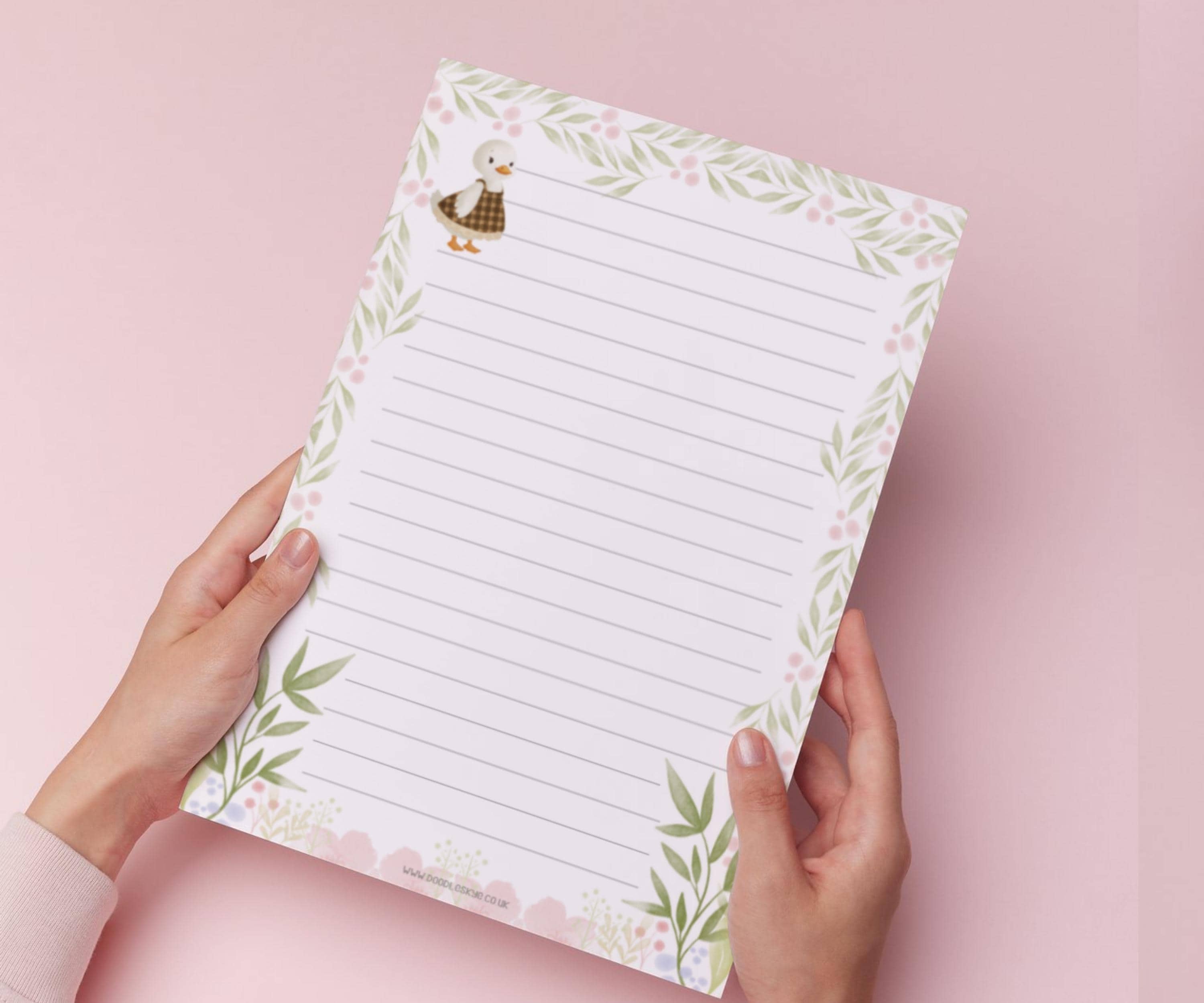
There’s something quietly magical about holding a pen, feeling the gentle scratch of ink against paper, and watching thoughts take shape under your own hand.
In 2026, when words fly across screens in an instant and AI can write a paragraph for you before you’ve even had your morning coffee, the act of writing by hand might seem almost old-fashioned.
Yet, it’s precisely why it matters more than ever. Writing slows us down. It forces our minds to pause, to consider each word, each sentence, each thought.
In a world dominated by notifications and pings, the deliberate act of putting pen to paper is a form of resistance—a way to reclaim time, to reclaim thoughtfulness.
When you write a letter, you don’t just communicate; you reflect. You weigh your words and consider the person who will receive them. There is a kind of intimacy in that process, a tenderness that a text message simply cannot replicate.
Handwriting also strengthens the mind in ways typing never will. Studies have shown that writing by hand engages areas of the brain associated with memory, comprehension, and critical thinking. The simple motion of forming letters—looping, curling, connecting—stimulates the brain and solidifies ideas. Journaling, letters, notes to yourself or to others—each stroke leaves a trace not only on paper but in your mind, helping to organize thoughts and bring clarity to the chaos of daily life. And then there’s creativity.....
Writing opens doors that screens often keep closed. When you scribble a thought or a story, your imagination stretches in a way that typing cannot replicate. The tangibility of the page, the physicality of your hand moving across it, encourages experimentation, reflection, and even playfulness. It also preserves a sense of connection. In an era where instant messages vanish into the ether, letters endure.
A handwritten note is a small act of care, a gift of presence that can be held, re-read, and treasured. There is something inherently human about seeing the loops of someone’s handwriting, the tiny quirks that reveal personality. Letters and notes bridge distance, nurture relationships, and remind us that communication is not just about speed, but depth.
Beyond creativity and connection, writing nurtures mental health. When thoughts are messy or overwhelming, writing them down provides release. Journaling can calm anxiety, focus racing minds, and clarify emotions. Gratitude lists, reflections, or even a simple note to a friend can act as small acts of therapy. Writing becomes a mirror, a way to see yourself clearly while organizing the noise of a busy world.
Perhaps most importantly, writing creates a personal legacy. The words we put down, the thoughts we preserve, become artifacts of ourselves. Decades from now, a journal, a letter, or even a carefully composed note may serve as a window into our hearts, our daily lives, and the small moments that made us who we are.
In 2026, the reasons to write are clear: to think, to create, to connect, to heal, and to leave a mark. And yet, it doesn’t need to feel like a chore. A set of beautiful, themed writing paper can transform the act into a joy—a small invitation to slow down, pick up a pen, and see where the words take you.
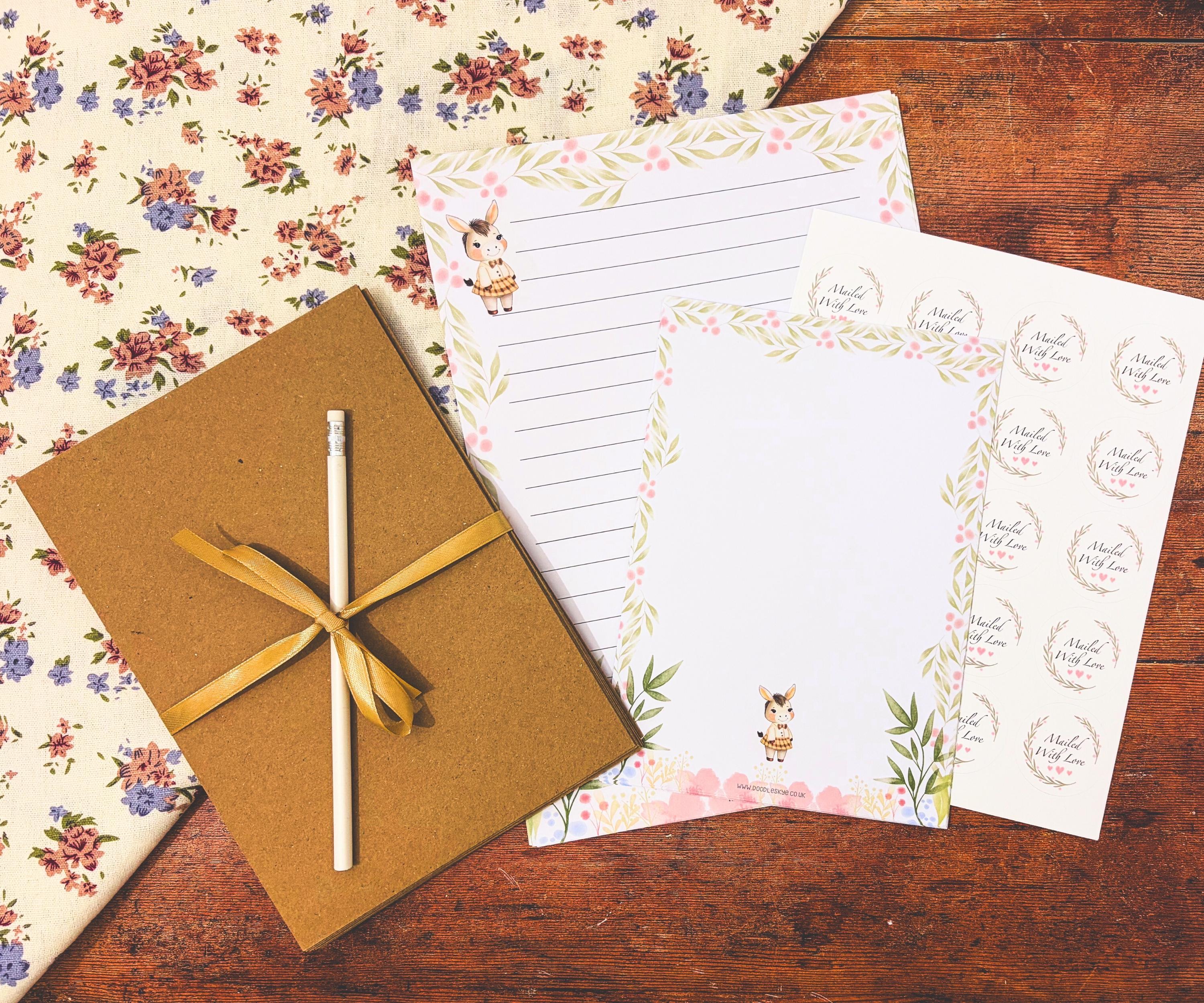
Choosing your favourite stationery, filling an envelope, and sending a note to someone you care about brings a sense of purpose and pleasure that is uniquely human. So, whether it’s a letter to a friend, a page of reflection, or a little note to yourself, writing is more than an activity—it’s a practice, a ritual, and a quiet rebellion against a world that often values speed over thoughtfulness. And in taking the time to write, we rediscover a small but profound truth: that our words matter, and that putting them on paper matters, too.